Adenotonsillectomy: What to Expect Before, During and After Surgery

Updated: May 29
Adenotonsillectomy is one of the most commonly performed paediatric ENT operations and is carried out entirely through the mouth under general anaesthesia, with no external cuts or scarring
It is the most effective first-line surgical treatment for paediatric obstructive sleep apnoea caused by enlarged tonsils and adenoids — many parents notice dramatic improvements in sleep, breathing, behaviour, and energy levels within weeks of recovery
Recovery takes around ten to fourteen days in children, with pain typically peaking between days three and seven — adequate pain relief and good fluid intake are the two most important things during recovery at home
Post-operative bleeding occurs in around 3 to 5% of cases and most commonly between days five and ten — any bleeding after tonsillectomy, however small, requires an immediate visit to the nearest emergency department
Adenotonsillectomy performed for medical indications including obstructive sleep apnoea and recurrent tonsillitis is generally claimable under Medisave and most integrated shield plans in Singapore
By Dr Vyas M.N. Prasad, FRCS (ORL-HNS) Consultant Otolaryngologist & Head and Neck Surgeon, Camden Medical Centre, Singapore
The decision to proceed with surgery is often the hardest part. Once it is made, most parents find that knowing exactly what to expect — before, during, and after — makes the whole process far less daunting.
Adenotonsillectomy — the surgical removal of both the tonsils and the adenoids — is one of the most commonly performed operations in paediatric ENT. It is most frequently recommended for children with obstructive sleep apnoea caused by enlarged tonsils and adenoids, or for those with recurrent tonsillitis that has not settled with medical management.
If surgery has been recommended for your child, this article aims to walk you through what the process involves from start to finish.
What Is Adenotonsillectomy?
Tonsillectomy refers to the removal of the tonsils — the two pads of tissue at the back of the throat. Adenoidectomy refers to the removal of the adenoids, the pad of lymphoid tissue at the back of the nasal passage that is not visible when looking in the mouth. The two procedures are frequently performed together, particularly in children where both structures are contributing to sleep-disordered breathing or nasal obstruction.
In some cases, only one procedure is needed. Your surgeon will have discussed which is appropriate for your child based on the clinical findings.
Before the Operation
Once surgery is scheduled, the hospital team will provide pre-operative instructions. The most important of these relates to fasting — your child will need to avoid food and milk for a specified period before the operation, and clear fluids up to a shorter cut-off time. These instructions will be given to you directly and should be followed carefully, as they are a safety requirement for general anaesthesia.
It is also worth noting any medications your child is taking. Certain medications — including ibuprofen and aspirin — should be stopped in the days before surgery as they affect bleeding. Your surgical and anaesthetic team will advise you specifically.
On the day, your child will be admitted to the day surgery unit. You will meet the anaesthetist beforehand, who will explain how the anaesthetic works and answer any questions. Most children are understandably anxious, and the team is experienced in helping them feel as comfortable as possible. A parent is usually able to accompany the child until they are asleep.
The Operation Itself
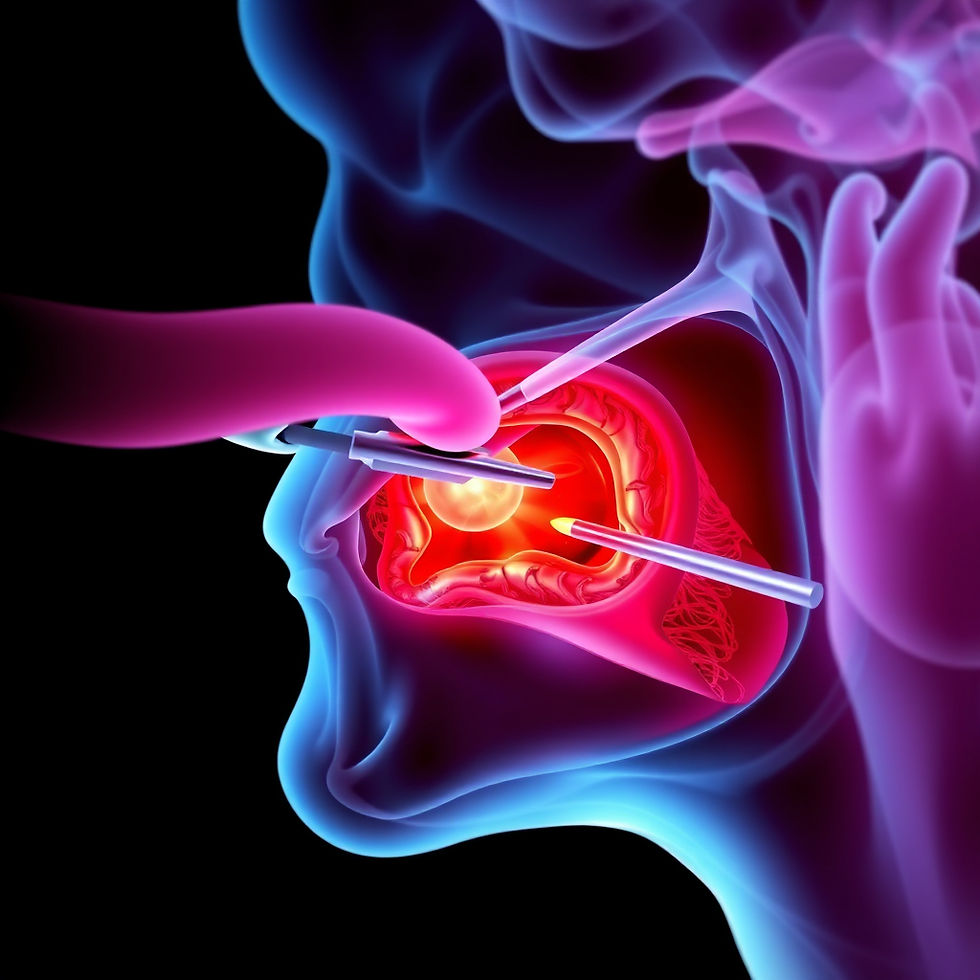
Adenotonsillectomy is performed under general anaesthesia. The operation is carried out entirely through the mouth — there are no external cuts or visible scars. The tonsils are removed from their beds on each side of the throat, and the adenoids are removed from the back of the nasal passage. The procedure typically takes between thirty and forty-five minutes.
Most children go home the same day once they are awake, comfortable, drinking fluids, and their observations are stable. An overnight stay may occasionally be recommended, particularly for younger children, those with significant sleep apnoea, or where there are other medical considerations.
Recovery at Home
Recovery from adenotonsillectomy typically takes around ten to fourteen days in children. The following is a guide to what to expect during that time.
Pain — throat pain is expected and is usually worst between days three and seven, when the white surgical slough in the throat begins to separate. This is normal and does not indicate infection.
Regular paracetamol given at the correct dose for your child's weight is the mainstay of pain management. Your team will advise on whether ibuprofen is appropriate to use after surgery — it can help significantly with pain but timing of reintroduction matters.
Eating and drinking — keeping your child well hydrated is one of the most important things you can do during recovery. Fluids should be encouraged from the moment they are awake. Soft foods are generally recommended in the first week — smooth foods like ice cream, yoghurt, and soup are well tolerated and welcomed by most children. There is no need to avoid cold foods; many children find them soothing.
Activity — children should rest at home and avoid school, crowded environments, and strenuous physical activity for at least two weeks. This is both to allow healing and to reduce the risk of post-operative bleeding.
Bad breath — a degree of bad breath during the first week or two is normal, caused by the healing process in the throat. It resolves as the area heals.
Ear pain — mild referred pain to the ears is common during recovery and does not necessarily indicate an ear problem. It is caused by shared nerve pathways between the throat and the ear.
The Most Important Thing to Know: Post-Operative Bleeding
Post-operative bleeding is the most significant risk following tonsillectomy, occurring in around 3 to 5% of cases. There are two types:
Primary bleeding occurs within the first 24 hours of surgery, usually before the child has left hospital.
Secondary bleeding most commonly occurs between days five and ten, when the surgical slough separates. This is the period of highest risk at home.
Any bleeding from the mouth or nose after tonsillectomy — even a small amount — must be taken seriously. Do not wait to see if it settles. Take your child to the nearest emergency department immediately. Bring the hospital discharge paperwork with you.
This is not meant to cause alarm — the majority of children recover without any bleeding at all. But it is the one complication that requires prompt action, and every parent should know this before going home.
When Will I Notice a Difference?
For children having surgery for obstructive sleep apnoea, improvements in sleep are often noticeable within the first few weeks once the initial soreness has settled. Parents frequently report that their child is sleeping more quietly, breathing more easily through the nose, and seems more settled and rested. Some children also show improvements in behaviour, concentration, and energy levels over the weeks that follow.
For children having surgery for recurrent tonsillitis, the benefit is a significant reduction in the frequency of throat infections going forward.
Frequently Asked Questions
Will my child's voice change after surgery? A temporary change in voice — particularly a slightly nasal quality — is common in the first few weeks after adenoidectomy as the airspace at the back of the nose adjusts. This almost always resolves on its own.
Will removing the tonsils affect my child's immunity? No. This is one of the most common concerns, and the evidence is reassuring. The tonsils are one small part of a large immune system, and their removal does not meaningfully affect immune function. Children with recurrent tonsillitis are not being protected by their tonsils — they are being repeatedly infected by them.
Can adults have the same operation? Yes. Tonsillectomy in adults follows the same principles, though recovery tends to be longer and more uncomfortable than in children — typically ten to fourteen days, with the worst pain between days three and seven. Adults should plan for adequate time off work and arrange support at home during recovery.
Is it covered by insurance in Singapore? Tonsillectomy and adenotonsillectomy performed for medical indications — including obstructive sleep apnoea and recurrent tonsillitis — are generally claimable under Medisave and most integrated shield plans. The clinic team can assist with pre-authorisation documentation.
This article is for general informational purposes and does not constitute medical advice. Please consult your surgeon directly for advice specific to your child's situation.
Preparing for Your Child's Surgery?
If adenotonsillectomy has been recommended and you have questions about what to expect, we are happy to discuss these at your consultation. [Book an Appointment →]



Good to share dich information prior to surgery
Great info
intersting and useful
Son had surgery and went well - thanks for sharing
Interesting