Tonsil Stones in Singapore: When Simple Measures Don't Work

Updated: May 28
By Dr Vyas M.N. Prasad, FRCS (ORL-HNS) — Consultant Otolaryngologist & Head and Neck Surgeon, Camden Medical Centre, Singapore
Tonsil stones — calcified debris accumulating in the crypts of the tonsils — cause persistent bad breath and a foreign body sensation in the throat that can be difficult to manage at home. For patients with recurrent, symptomatic tonsil stones that do not respond to irrigation or conservative measures, tonsillectomy provides a definitive and permanent solution.
Tonsil stones (tonsilloliths) are calcified debris that form in the crevices of the tonsils, causing bad breath and a foreign body sensation
They are very common and rarely dangerous — most can be managed with simple measures at home
Persistent, large, or symptomatic tonsil stones that don't respond to conservative care may require ENT assessment
Tonsillectomy is occasionally indicated when tonsil stones cause significant ongoing symptoms
Tonsil stones are one of those conditions that patients often feel embarrassed to raise. They cause persistent bad breath, a nagging sense of something stuck at the back of the throat, and in some cases genuine discomfort — yet because they are not dangerous, they are frequently dismissed or left unaddressed.
I see a significant number of patients with recurrent tonsil stones. For many, the problem has been going on for months or years before they seek a specialist opinion. This article explains what tonsil stones are, why they keep coming back, and what can be done when simple measures are no longer enough.
What Are Tonsil Stones?
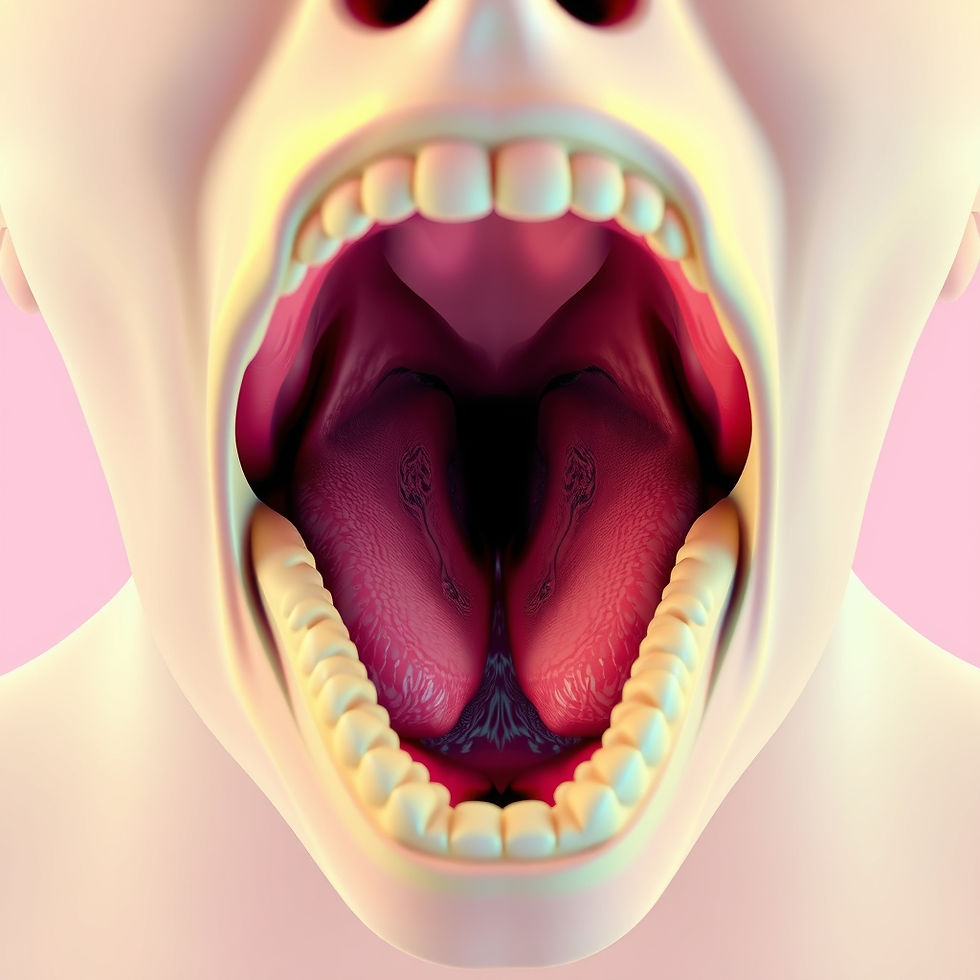
Tonsil stones — known medically as tonsilloliths — form when debris accumulates within the small pockets on the surface of the tonsils. These pockets, called crypts, are a normal part of tonsil anatomy. In some people, however, they are particularly deep or numerous, making them prone to trapping food particles, bacteria, and dead cells.
Over time, this trapped material can harden into white or yellowish deposits — tonsil stones. They can range from tiny specks to larger, more visible formations. The bacteria that colonise them are largely responsible for the characteristic bad breath that many patients find so distressing.
When Should You Seek a Specialist Assessment?
I take a straightforward approach to this: if tonsil stones are causing symptoms that affect your quality of life, it is worth getting them assessed. There is no minimum frequency that needs to be met. Whether stones are appearing monthly or several times a year, if they are bothering you — through bad breath, throat discomfort, or constant awareness — a consultation is appropriate.
Common symptoms that bring patients to clinic include:
Persistent halitosis despite good oral hygiene
A constant feeling of something stuck at the back of the throat
Visible white or yellow deposits on the tonsils
Mild throat discomfort or irritation
An unpleasant taste at the back of the mouth
Conservative Management: The Starting Point
For patients with occasional or mild tonsil stones, conservative measures are a reasonable first step:
Salt water gargling helps reduce bacterial load in the throat and may dislodge smaller stones. It is not a cure, but it can reduce frequency and discomfort for some patients.
Good oral hygiene — regular brushing, flossing, and tongue cleaning — reduces the overall bacterial environment in the mouth and throat.
Hydration helps prevent the accumulation of thick secretions that contribute to stone formation.
These measures work for some patients. For others — particularly those with deep crypts or very frequent recurrence — they offer limited long-term benefit, and a more definitive approach is needed.
Laser Resurfacing of the Tonsils: A Targeted Solution
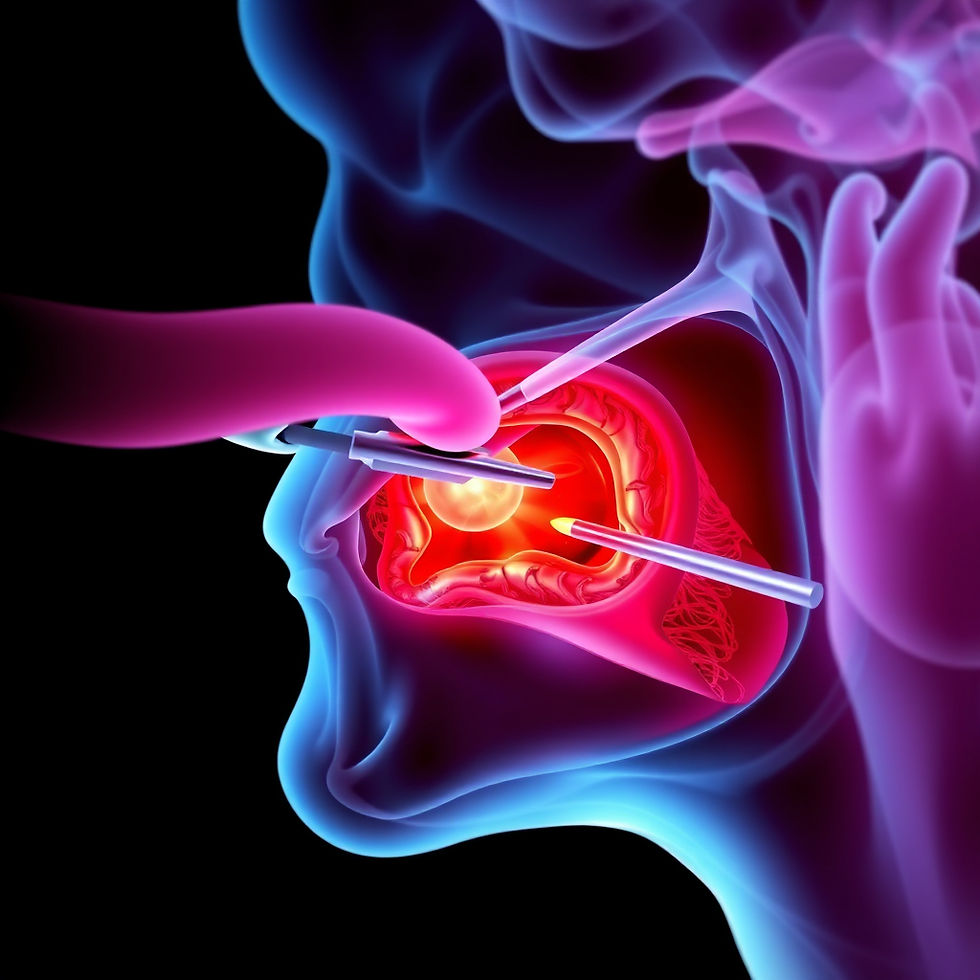
For patients with persistent, symptomatic tonsil stones that do not respond adequately to conservative management, I offer CO2 laser resurfacing of the tonsils.
The principle is straightforward: rather than removing the tonsils entirely, the laser is used to precisely reshape their surface — reducing or eliminating the crypts where debris collects. By addressing the anatomical cause of stone formation, the aim is to provide long-term relief rather than temporary symptom control.

How it is performed
The procedure is performed under general anaesthesia. A CO2 laser is used to resurface the tonsillar tissue, smoothing the crypt architecture in a controlled and targeted manner. The procedure takes up to one hour and is performed as day surgery — patients go home the same day.
Recovery
Recovery from laser resurfacing is significantly more comfortable than a full tonsillectomy. Most patients take one day off work. During the healing period, I advise avoiding hot, spicy, and acidic foods, which can irritate the treated area. Cool, soft foods are recommended while the throat settles.
Results
By reducing the depth and number of crypts on the tonsil surface, laser resurfacing removes the anatomical conditions that allow stones to form. In my experience, patients who undergo this procedure see a meaningful reduction in stone recurrence and a significant improvement in the associated symptoms, particularly bad breath.
How Does This Differ from Tonsillectomy?
Tonsillectomy — complete surgical removal of the tonsils — remains the definitive solution for tonsil stones, as it eliminates the tissue entirely. However, it is a more significant procedure with a longer and more uncomfortable recovery.
I recommend tonsillectomy in specific circumstances: recurrent tonsillitis (frequent throat infections), suspected or confirmed tonsillar tumour, or peritonsillar abscess. For patients whose primary complaint is tonsil stones without recurrent infection, laser resurfacing offers a more targeted alternative that preserves the tonsils while addressing the structural problem.
The right approach depends on the individual patient's history, symptom pattern, and clinical findings. This is something I assess at consultation.
Frequently Asked Questions
Are tonsil stones dangerous? Tonsil stones are not dangerous or cancerous. They are a benign condition. However, they can cause significant quality-of-life issues, particularly persistent bad breath, and for these patients treatment is entirely appropriate.
Can tonsil stones go away on their own? Some do, particularly smaller ones. However, if the underlying crypt anatomy is favourable to stone formation, recurrence is likely without a more definitive intervention.
Will laser resurfacing cure my tonsil stones permanently? Laser resurfacing significantly reduces the conditions that allow tonsil stones to form. Most patients experience a meaningful and lasting improvement. As with any procedure, outcomes vary between individuals and are discussed honestly at consultation.
Is the procedure painful? The procedure itself is performed under general anaesthesia, so there is no discomfort during the surgery. Post-operative throat discomfort is typically mild and resolves within a few days. Recovery is considerably more straightforward than a full tonsillectomy.
Do I need a referral to see Dr Prasad? No. You can contact the clinic directly to arrange a consultation.
When to Seek Assessment
If you are troubled by recurrent tonsil stones — regardless of how often they occur — and simple measures have not provided adequate relief, a specialist assessment is a sensible next step.
At consultation, I will examine your tonsils directly, discuss your symptom history, and give you an honest assessment of whether laser resurfacing or another approach is appropriate for you.
Find out more about general ENT care at Absolute ENT, or contact the clinic to arrange an appointment.
Dr Vyas M.N. Prasad is a UK- and fellowship-trained Consultant Otolaryngologist and Head & Neck Surgeon based at Camden Medical Centre, Singapore. He offers a full range of adult and paediatric ENT services, including laser surgery for tonsil conditions.

Have been considering this for a while
had a lot of issues including bad breath - dr vyas lasered the crypts down and has solved my issues
Like your blogs very much
had this treated in singapore by dr vyas - thanks🙏
I saw Dr Prasad and had these lasered out